
Performance Nutrition for Male Athletes
Explore science-backed nutrition strategies, supplement protocols, and training nutrition guides designed specifically for men in competitive sports. Our editorial content covers football, basketball, martial arts, weightlifting, and endurance disciplines.
The information on this site is for educational purposes only and does not constitute medical advice. Always consult a qualified healthcare professional before making health decisions.
Browse Content by Category
Filter articles and guides by sport type or nutrition topic to find content most relevant to your training discipline.
Featured Articles & Guides
Pre-Workout Nutrition Timing for Maximum Strength
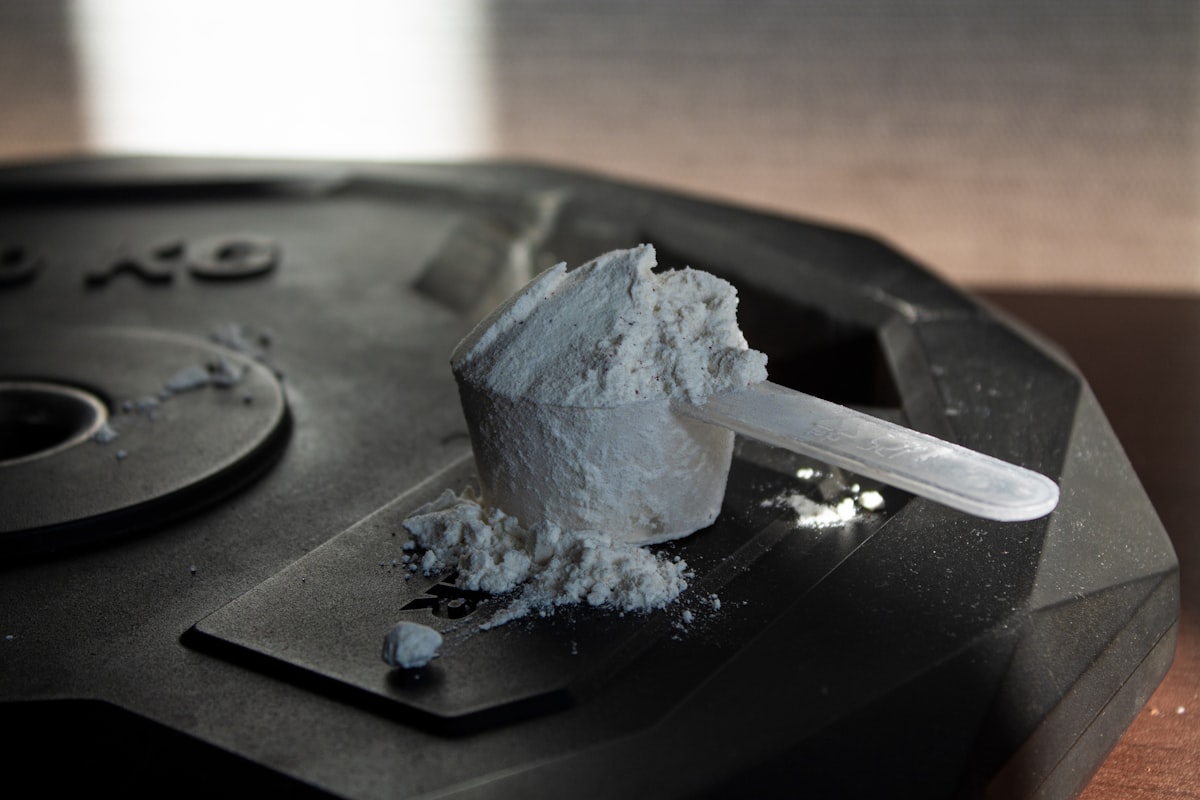
Learn the science behind meal timing, macronutrient ratios, and hydration strategies to optimize performance during heavy lifting sessions. Includes timing protocols for different training phases.

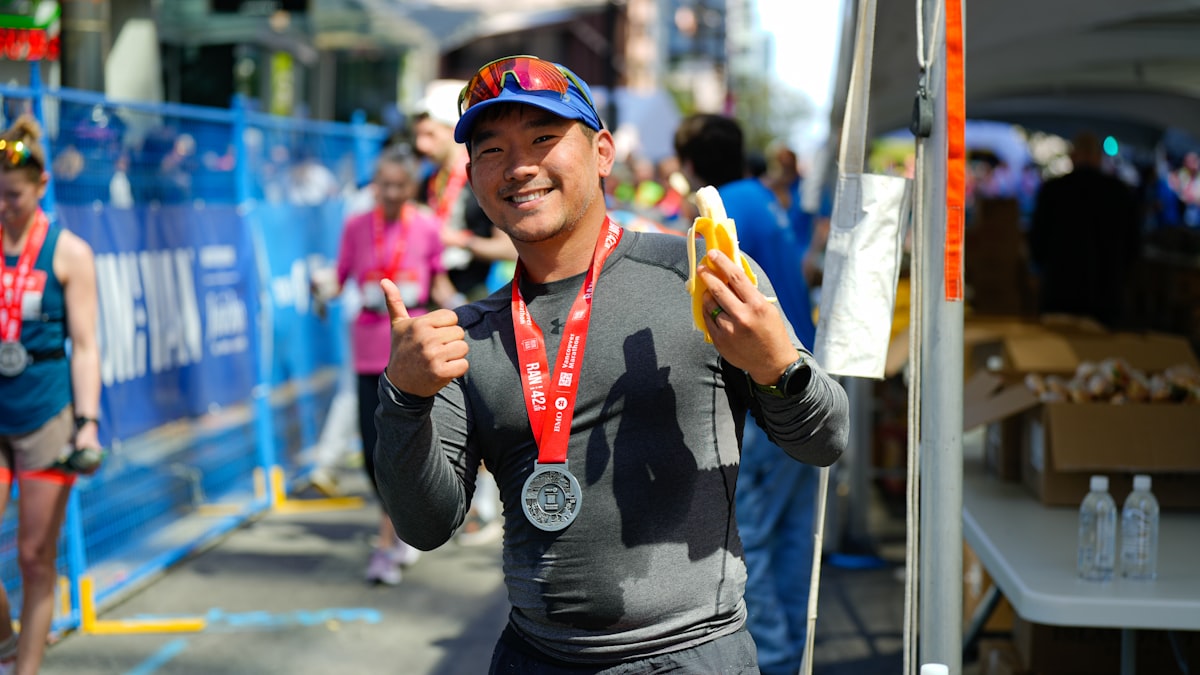
Carbohydrate Loading for Endurance Athletes
Discover evidence-based carb-loading strategies, calorie targets for marathon and ultra-distance runners, and fueling protocols to maintain energy during extended efforts over 90 minutes.

Protein Synthesis and Muscle Building Nutrition
Understand amino acid profiles, optimal protein timing, and leucine thresholds for stimulating muscle protein synthesis. Evidence on daily intake recommendations and distribution across meals.
Weight Management & Performance in Combat Sports
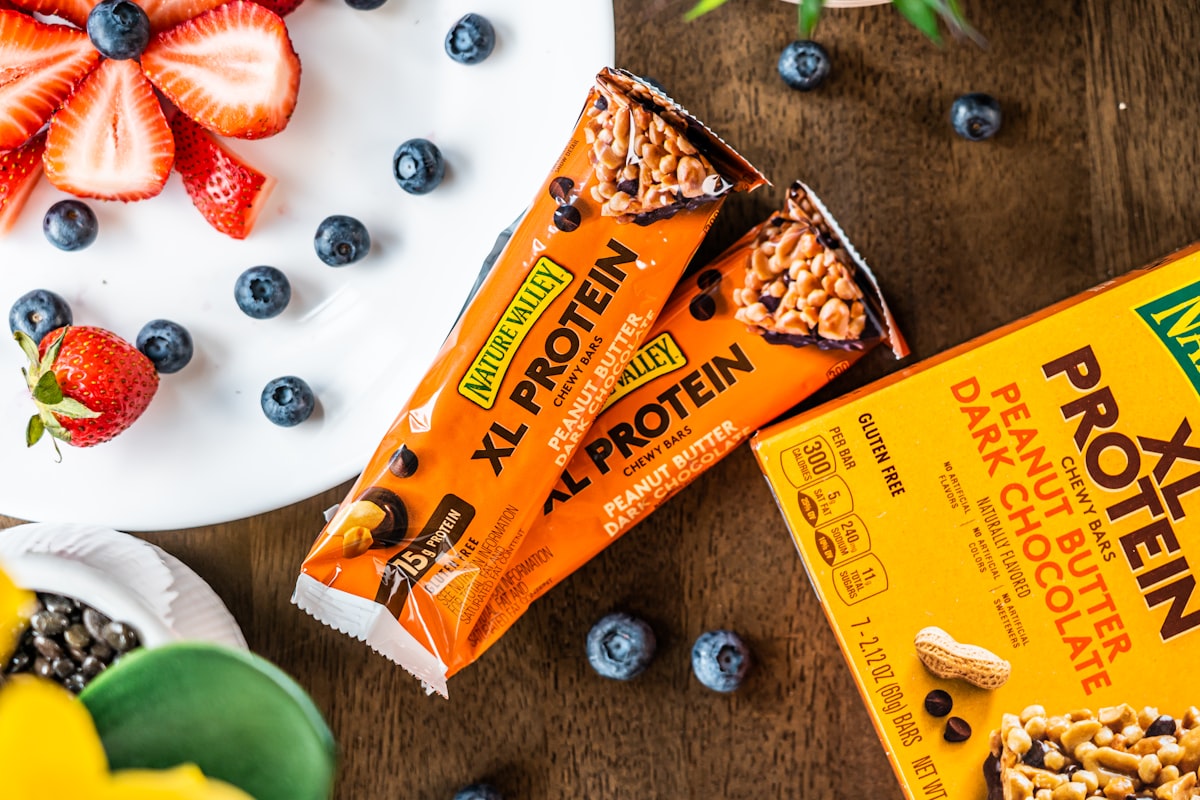
Explore safe cutting practices for weight classes, hydration protocols during weight cut phases, and strategies to maintain strength while losing body composition for boxing, MMA, and wrestling.
Match Day Nutrition for Team Athletes
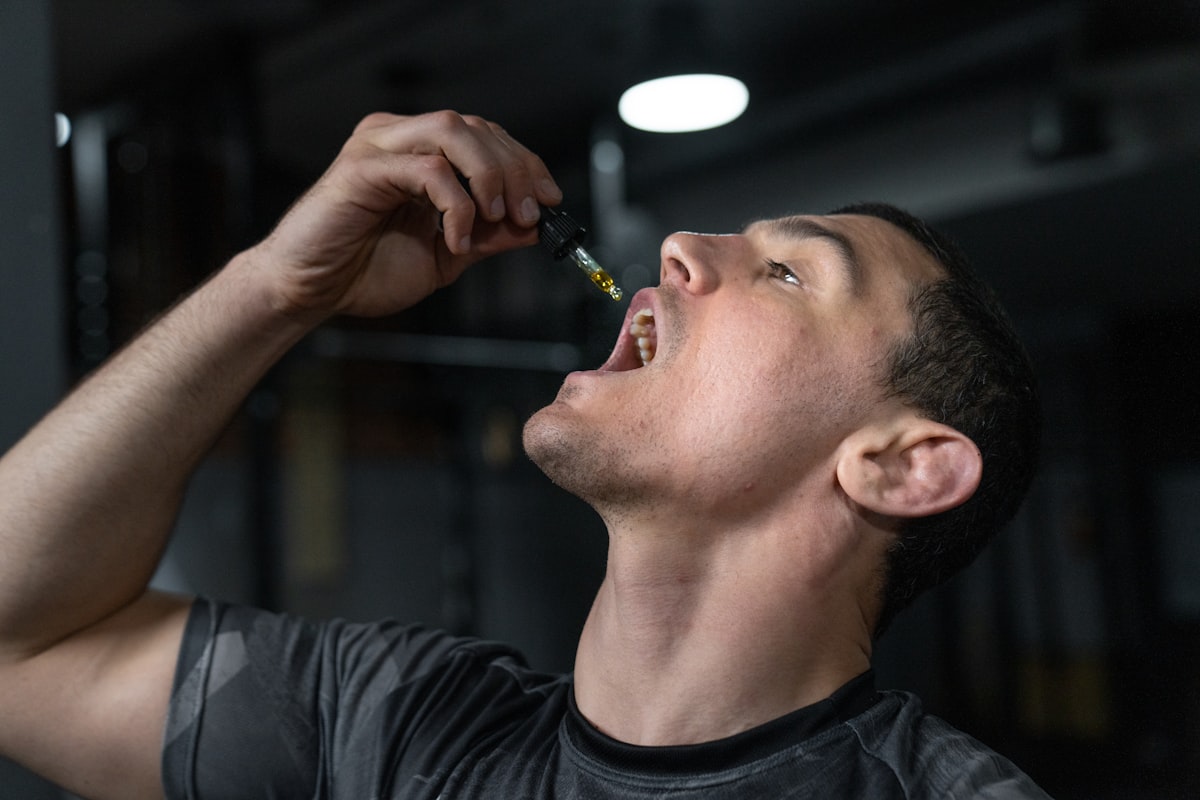
Learn pre-game meal planning, halftime fueling strategies for football and basketball, and recovery protocols between matches. Includes practical meal timing for competitive team sports.
Post-Training Recovery Nutrition & Sleep
Understand post-workout nutrition windows, macronutrient composition for optimal recovery, micronutrient needs, and how nutrition affects sleep quality and adaptation between training sessions.
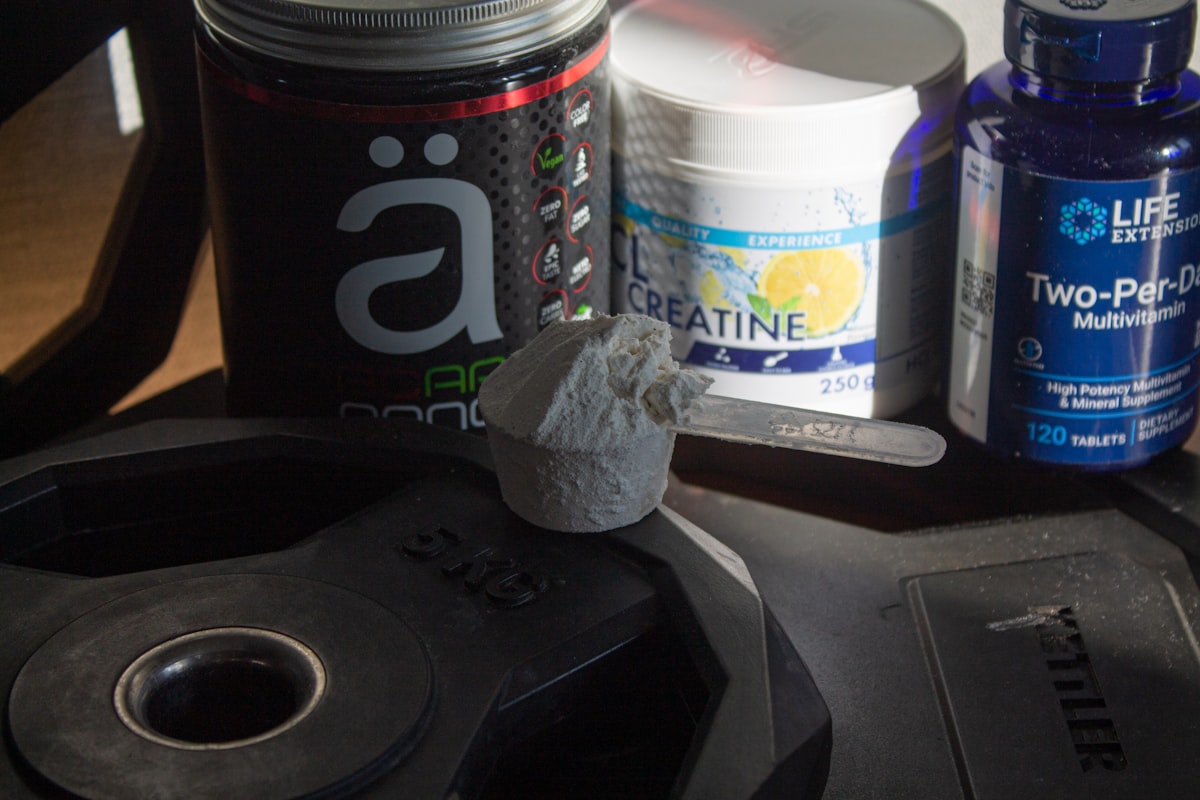
Evidence-Based Supplement Protocols for Athletes
Review research on creatine, beta-alanine, caffeine, and electrolyte supplementation. Learn dosing protocols, timing, and which supplements have the strongest evidence for athletic performance enhancement.
Advanced Hydration Strategies for Performance
Explore sweat rate calculations, sodium supplementation for endurance events, and electrolyte balance. Learn how proper hydration protocols can prevent cramping and maintain cognitive function during competition.
Frequently Asked Questions
How much protein do male athletes really need daily?
Research suggests 1.6–2.2 grams of protein per kilogram of body weight daily for strength-focused athletes, with endurance athletes requiring slightly less (1.2–1.6 g/kg). This varies based on training phase, age, and specific sport. Distributing protein evenly across 4–5 meals optimizes muscle protein synthesis more effectively than consuming large amounts in one sitting.
What should I eat before a training session?
Optimal pre-training meals should be consumed 2–3 hours before exercise and include easily digestible carbohydrates plus moderate protein. For strength training, aim for 1–4 grams of carbs per kilogram of body weight. For endurance work exceeding 90 minutes, include more carbs. Hydrate with 500–750 ml of water 2 hours prior, then 200–300 ml 15–20 minutes before start.
Is there a critical post-workout nutrition window?
While the "anabolic window" is often overstated, consuming protein and carbohydrates within 2 hours post-exercise supports optimal recovery and adaptation. The priority is total daily intake rather than exact timing. A combination of 0.8–1.2 g carbs per kg body weight plus 20–40 g protein within this window supports glycogen resynthesis and muscle protein balance.
What micronutrients are most critical for athletes?
Iron, zinc, magnesium, calcium, and antioxidant vitamins (C, E) are particularly important for athletic adaptation and injury prevention. Most male athletes can meet requirements through varied whole-food diets rich in vegetables, whole grains, lean proteins, and healthy fats. Blood testing helps identify specific deficiencies requiring targeted supplementation.
How does hydration status affect athletic performance?
Even 2% dehydration (fluid loss) can measurably reduce strength, endurance capacity, and cognitive function during competition. Sweat rates vary widely between individuals and conditions. Personalizing fluid intake based on sweat rate testing—typically 400–800 ml per hour during exercise—helps maintain optimal hydration without overloading the stomach.
Are expensive supplements necessary for performance gains?
Most performance gains come from consistent training, adequate sleep, and solid nutrition fundamentals (total calories, protein, carbs). While some supplements like creatine and caffeine have strong research support, they amplify a foundation of good nutrition—not replace it. Prioritize food quality first, then add evidence-based supplements strategically.
What Athletes Are Learning
"The articles on protein timing and pre-workout nutrition completely changed how I structure my day. I've noticed measurable strength gains within three weeks of implementing the protocols. The science-backed approach gives me confidence in what I'm doing, not guesswork."
Ricky Pratama
Weightlifter, Jakarta
"As an endurance runner, the carb-loading guide was exactly what I needed. The specific targets for daily intake and timing protocols during long runs have improved my pacing and reduced bonking. This content is detailed without being overwhelming."
Dani Suryanto
Marathon Runner, Bandung
Dive Deeper Into Performance Nutrition
Our editorial team regularly publishes in-depth guides on training nutrition, supplement research, and athlete case studies. Subscribe to stay informed about the latest evidence-based content.
More Ways to Learn
Comprehensive Guides
Multi-part articles covering complete nutrition strategies for different sports. Each guide includes research references, calculations, and practical meal examples.
Nutrition Plans & Templates
Sample daily meal plans, macro calculations, and shopping lists tailored to specific sports and training phases for practical implementation.
View PlansQuestions & Feedback
Have questions about the content? Our editorial team reviews all reader feedback and incorporates it into future article development.
Contact Us